
What Is Pneumonia?
Pneumonia is a lung infection that can make you very sick. It happens when germs, like bacteria or viruses, cause the air sacs in your lungs to fill with fluid. Because of this, breathing can become hard and painful. In the US, pneumonia affects millions each year. Some people recover at home, but others may need hospital care. Early treatment is important, so knowing how to identify pneumonia helps.
What Is a Regular Chest Infection?
A regular chest infection usually means bronchitis. This is when the tubes that carry air to your lungs get infected. Most chest infections are mild and go away on their own. However, they can still cause coughing and discomfort. Unlike pneumonia, chest infections do not usually fill the lungs with fluid. Still, both can make you feel unwell.
Key Differences Between Pneumonia and Chest Infections
Although both affect your breathing, there are clear differences. For example, pneumonia is often more serious. Chest infections like bronchitis are usually milder. Knowing the difference between pneumonia and chest infection can help you get the right care.
Symptoms Comparison
It is important to compare symptoms. While both can cause coughing, pneumonia symptoms vs chest infection symptoms are not the same. For example, pneumonia often brings more severe signs.
Causes and Risk Factors
Both pneumonia and chest infections can be caused by viruses or bacteria. However, some people are at higher risk for pneumonia. For instance, young children, older adults, and people with weak immune systems are more likely to get pneumonia.
Diagnosis: How Doctors Tell Them Apart
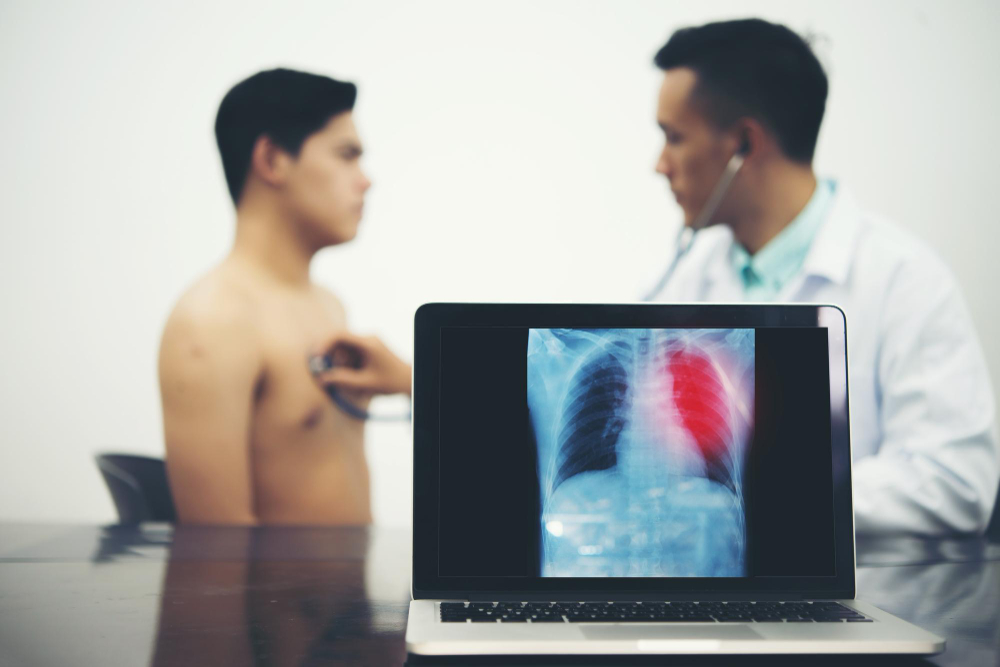
Doctors use several steps to find out if you have pneumonia or a chest infection. First, they ask about your symptoms. Next, they listen to your chest with a stethoscope. Often, they order a chest X-ray to look for fluid in the lungs. Sometimes, they may test your blood or mucus. Because pneumonia can be serious, quick diagnosis is important.
Treatment Options
Treatment depends on the cause and how sick you are. For mild chest infections, rest and fluids often help. However, pneumonia may need more care. Doctors may give you antibiotics for bacterial pneumonia. For viral infections, rest and fever medicine can help. In some cases, people need oxygen or hospital care.
When to Seek Medical Help
Sometimes, chest infections can turn into pneumonia. Therefore, you should see a doctor if you have:
Early care can prevent serious problems.
Prevention Tips
There are ways to lower your risk of pneumonia and chest infections. For example, you can:
In summary, knowing the difference between pneumonia and a regular chest infection helps you get the right treatment. If you have symptoms or concerns, consult Dr. Rohith Reddy Pathuri now if you have symptoms of pneumonia.