What Is Pulmonary Embolism?
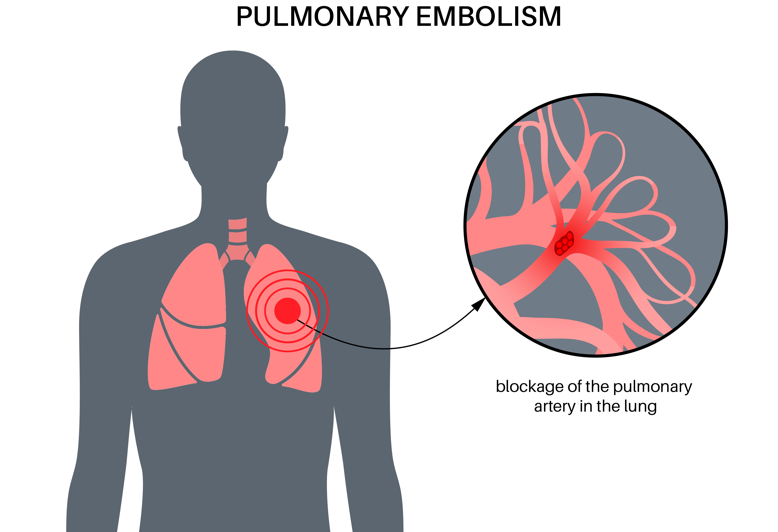
Pulmonary embolism is a serious condition. It happens when a blood clot blocks a blood vessel in your lungs. This blockage can stop blood from reaching parts of your lung. As a result, your body may not get enough oxygen. Pulmonary embolism is sometimes called a “silent clot” because it can develop without warning. However, it can be life-threatening if not treated quickly. According to the CDC, pulmonary embolism affects thousands of people each year. Early detection and treatment are important for a good outcome.
Common Symptoms
Symptoms of pulmonary embolism can vary. Some people have mild signs, while others have severe problems. But, it is important to know the warning signs. Early action can save lives. Common PE symptoms include:
Sometimes, symptoms are mild or mistaken for other problems. Therefore, always pay attention to new or sudden symptoms.
Main Causes and Risk Factors
Most pulmonary embolisms start as blood clots in the legs. This is called deep vein thrombosis (DVT). The clot can travel to the lungs and cause a blockage. But, not everyone is at the same risk. Some factors increase your chances of developing a blood clot in the lungs, such as:
Knowing your risk factors can help you take steps to prevent pulmonary embolism.
How Pulmonary Embolism Is Diagnosed
Doctors use several tests to diagnose pulmonary embolism. First, they ask about your symptoms and medical history. Then, they may order tests such as:
Early diagnosis is key. Because of this, always tell your doctor about any new symptoms or risk factors.
Treatment Options
Treating pulmonary embolism quickly can save lives. The main goal is to stop the clot from growing and prevent new clots. Common pulmonary embolism treatments include:
Your doctor will choose the best treatment based on your health and the size of the clot. Most people need to take blood thinners for several months.
Prevention Tips and Lifestyle Guidance
Preventing pulmonary embolism is possible. Simple steps can lower your risk. For example, you can:
Because prevention is easier than treatment, make these habits part of your daily life.
When to Seek Medical Help
Pulmonary embolism can be life-threatening. Therefore, seek medical help right away if you have:
Quick action can save your life. Do not wait to see if symptoms improve. Instead, call emergency services or go to the nearest hospital.
Consult Dr. Rohith Reddy Pathuri for personalized advice on pulmonary embolism.