
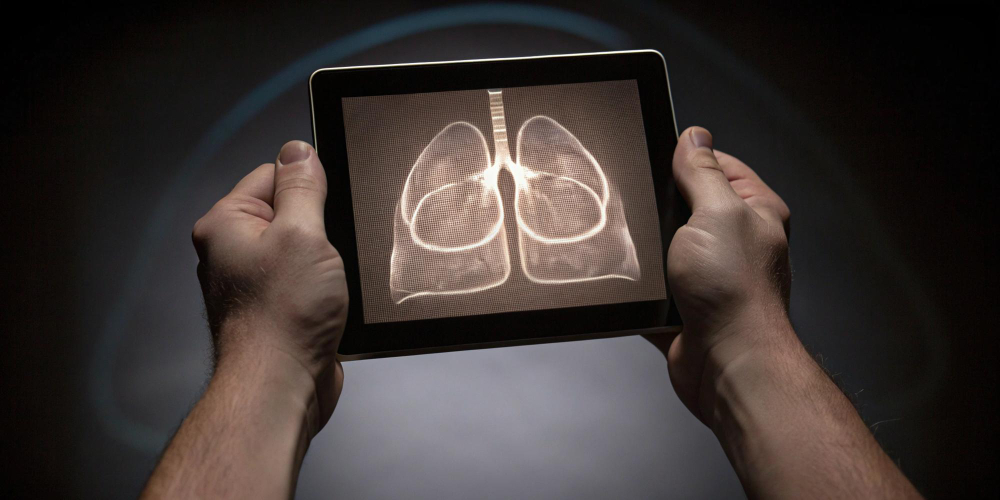
What is Interstitial Lung Disease?
Interstitial lung disease is a group of conditions that cause lung scarring. This scarring makes it hard for your lungs to work well. As a result, you may have trouble breathing. Many people in the United States are affected by these diseases. Interstitial lung disease is sometimes called ILD. It includes many types, such as pulmonary fibrosis. Although these conditions are different, they all cause damage to the lung tissue. Over time, this damage can get worse.
What is Lung Scarring?
Lung scarring is also called fibrosis. When your lungs get scarred, the tissue becomes thick and stiff. Because of this, it is harder for oxygen to pass into your blood. Over time, breathing can become more difficult. For example, you may feel short of breath even with light activity. Lung scarring cannot be reversed, but early treatment can help slow it down.
Common Symptoms
Interstitial lung disease and lung scarring can cause many symptoms. However, some people may not notice signs at first. Common symptoms include:
Because these symptoms can be mild at first, many people may not seek help right away. But early detection is important.
Causes and Risk Factors
There are many causes of interstitial lung disease. Sometimes, the cause is not known. This is called idiopathic pulmonary fibrosis. However, some known causes and risk factors include:
Because some causes can be avoided, knowing your risks can help protect your lung health.
How is Interstitial Lung Disease Diagnosed?
Doctors use several tests to diagnose interstitial lung disease. First, they will ask about your symptoms and medical history. Next, they may do a physical exam. Common tests include:
Because early diagnosis can help, see your doctor if you notice breathing problems.
Treatment Options
Although lung scarring cannot be cured, treatment can help slow the disease. Treatment options may include:
Because each person is different, your doctor will choose the best plan for you.
Lifestyle Tips and Self-Care
Living with interstitial lung disease can be challenging. However, some lifestyle changes can help you feel better. For example:
Because self-care is important, talk to your doctor about what is safe for you.
Prevention and Early Detection
While not all cases can be prevented, you can lower your risk. For instance:
Because early detection can slow disease, pay attention to any new breathing problems.
When to See a Doctor
If you notice ongoing shortness of breath, a cough that will not go away, or chest pain, see a doctor. Also, if you have a family history of lung disease or work around harmful substances, regular check-ups are important. Early care can make a big difference in your health.
For personalized advice about interstitial lung disease or lung scarring, consult a pulmonologist Dr.Rohith Reddy Pathuri. Early action can help protect your lung health and improve your quality of life.