
What Is Pulmonary Fibrosis?
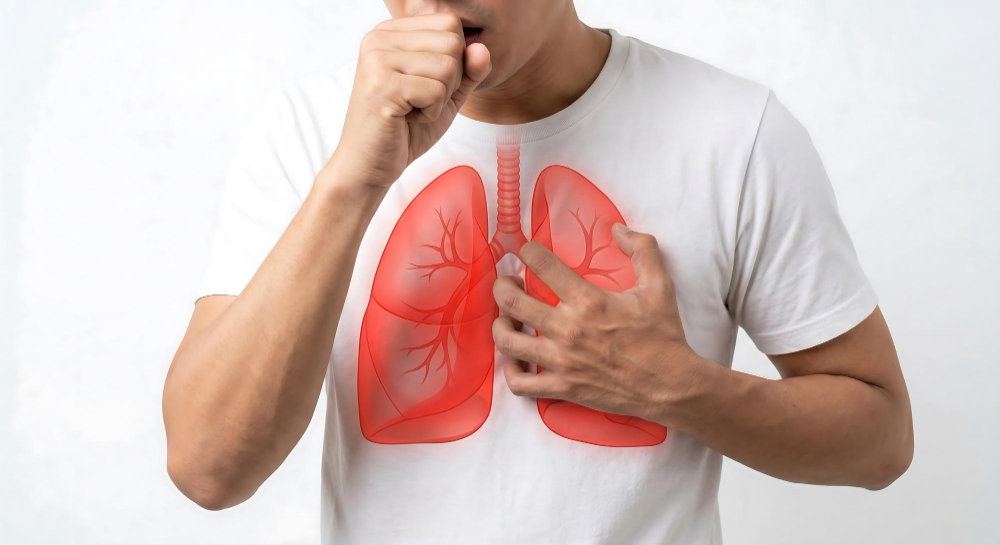
Pulmonary fibrosis is a lung disease that causes progressive lung scarring. This scarring makes it hard for your lungs to work well. Over time, breathing becomes more difficult. As a result, less oxygen reaches your blood. The word “fibrosis” means thickening or scarring of tissue. In this case, it happens in the lungs. While anyone can develop this condition, it is more common in older adults. According to the American Lung Association, over 200,000 people in the United States have pulmonary fibrosis. The disease can develop slowly or quickly, depending on the cause.
Common Symptoms of Pulmonary Fibrosis
Symptoms of pulmonary fibrosis often start slowly. However, they can get worse over time. Early signs may be mild, but they usually become more noticeable. For example, you may notice:
Because these symptoms can look like other lung problems, it is important to see a doctor if you notice them. Sometimes, symptoms of pulmonary fibrosis can change quickly. For instance, you might feel fine one week and worse the next.
Causes and Risk Factors
Pulmonary fibrosis can have many causes. In some cases, doctors cannot find a reason. This is called idiopathic pulmonary fibrosis. However, several known factors can raise your risk. For example:
Although not everyone with these risks will get the disease, they do make it more likely. According to the CDC, age is also a key risk factor. Most people are diagnosed after age 50. Still, younger people can be affected, too.
How Pulmonary Fibrosis Is Diagnosed
Doctors use several tests to diagnose pulmonary fibrosis. First, they will ask about your symptoms and health history. Next, they may order tests to check your lungs. For example:
Because many lung diseases look alike, doctors use these tests together. As a result, they can find the best treatment plan for you. Early diagnosis of pulmonary fibrosis can help slow the disease.
Treatment Options for Pulmonary Fibrosis
While there is no cure for pulmonary fibrosis, treatments can help manage symptoms. For instance, your doctor may suggest:
Because each person is different, treatment options for pulmonary fibrosis may vary. Sometimes, you may need to try more than one approach. According to the National Institutes of Health, ongoing care can improve quality of life.
Tips for Living with Pulmonary Fibrosis
Living with pulmonary fibrosis can be challenging. However, there are ways to make daily life easier. For example:
Because stress can make symptoms worse, try to find ways to relax. For instance, deep breathing or meditation may help. Always talk to your healthcare team about new symptoms or concerns.
Prevention and Ongoing Research
Although not all cases can be prevented, you can lower your risk. For example, avoid smoking and limit exposure to harmful dust or chemicals. Use protective gear if you work in risky environments. Because some medicines can cause lung damage, always follow your doctor’s advice. Researchers are working hard to find better treatments. According to recent studies, new medicines and therapies are being tested. While there is hope for the future, early diagnosis and care remain important today.