
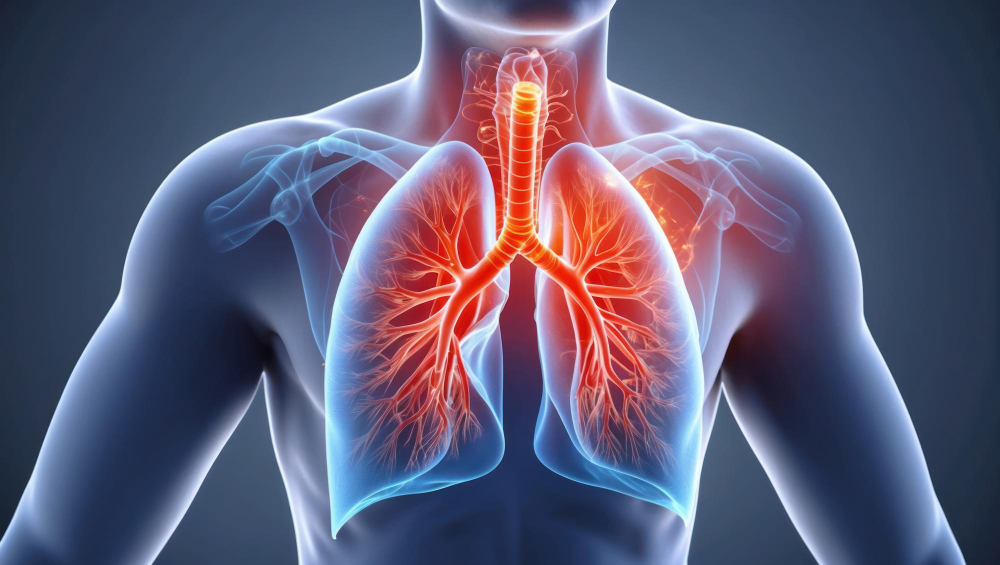
Bronchospasm is a sudden tightening of the muscles around your airways. Because of this, the airways become narrow and make it hard to breathe. Often, people with asthma or allergies may face bronchospasm. However, it can happen to anyone. When airways narrow quickly, you may feel chest tightness or start to wheeze. In this blog, you will learn what bronchospasm is, why it happens, and how to manage sudden breathing problems.
What Is Bronchospasm?
Bronchospasm means the muscles in your airway walls squeeze suddenly. As a result, the tubes that carry air to your lungs get smaller. This makes it harder for air to move in and out. Although bronchospasm is common in asthma, it can also happen with other lung problems. For example, allergies, infections, or even exercise can trigger it. Because the airways are narrow, you may notice it is harder to breathe or hear a whistling sound when you exhale.
Common Symptoms of Bronchospasm
When bronchospasm occurs, you may notice sudden changes in your breathing. In many cases, symptoms appear quickly. Watch for these signs:
Sometimes, symptoms are mild. However, they can also become severe and need quick medical help.
Causes: Why Do Airways Suddenly Narrow?
There are several reasons why your airways may suddenly become narrow. In fact, triggers can be different for each person. Here are some common causes:
Because triggers can vary, it helps to know what affects you most. According to the CDC, asthma and allergies are leading causes of bronchospasm in both children and adults.
How Is Bronchospasm Diagnosed?
Doctors use several methods to diagnose bronchospasm. First, they will ask about your symptoms and medical history. Next, they may listen to your lungs with a stethoscope. Often, you will be asked to perform breathing tests. These tests measure how well your lungs work. For example, a spirometry test checks how much air you can blow out and how fast. Sometimes, doctors may use a peak flow meter to track changes over time. In some cases, allergy tests or chest X-rays help find the cause. Because symptoms can look like other lung problems, a full checkup is important.
Treatment Options for Bronchospasm
There are several ways to treat bronchospasm and improve breathing. Treatment depends on the cause and how severe your symptoms are. Common options include:
Because each person is different, your doctor will create a plan that fits your needs. The World Health Organization recommends following your treatment plan closely to keep symptoms under control.
Lifestyle Tips and Prevention
While you cannot always prevent bronchospasm, some steps can lower your risk. For better lung health, try these tips:
Because triggers can change over time, it helps to keep a symptom diary. That way, you and your doctor can spot patterns and adjust your care. With the right steps, many people manage bronchospasm and enjoy better breathing every day.
Conclusion
If you have trouble breathing or notice sudden symptoms, do not wait. Reach out to Dr. Rohith Reddy Pathuri for a full checkup and advice on managing bronchospasm. Your health and comfort matter.