What is Pulmonary Hypertension?
Pulmonary hypertension is a condition where the blood pressure in the lungs’ arteries is higher than normal. This makes it harder for your heart to pump blood through your lungs. Over time, this can strain your heart and cause serious health problems. According to the World Health Organization (WHO), early detection is important for better outcomes. Although anyone can get pulmonary hypertension, some people are at higher risk.
Symptoms of Pulmonary Hypertension
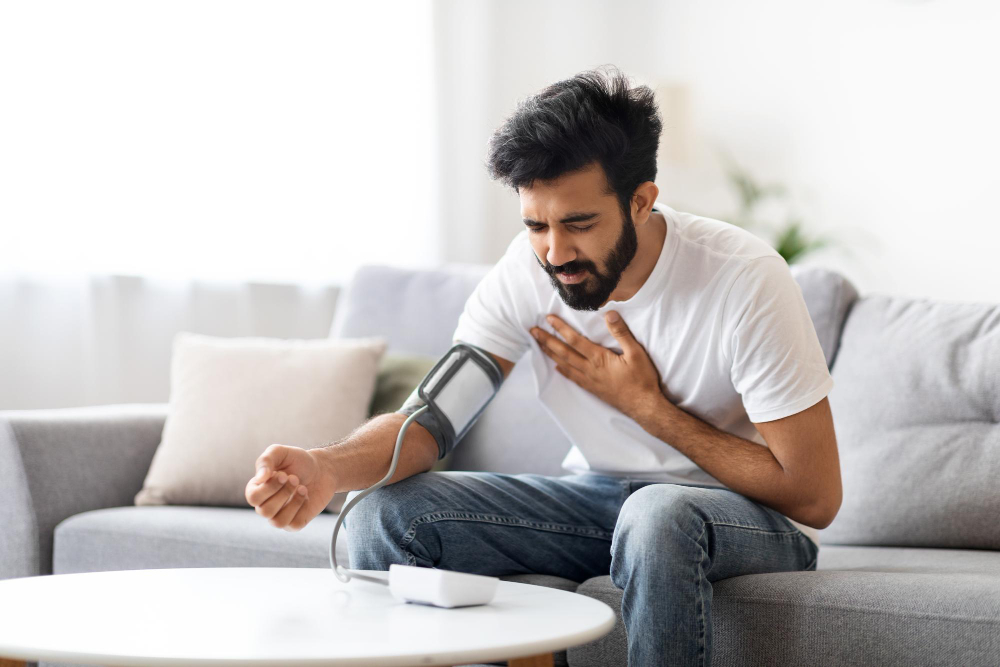
At first, symptoms of pulmonary hypertension may be mild or easy to miss. However, as the condition worsens, symptoms become more noticeable. Early signs of pulmonary hypertension include:
Because these symptoms can look like other health issues, it is important to pay attention to changes in your body. If you notice any of these signs, talk to your doctor.
Causes and Risk Factors
Pulmonary hypertension can have many causes. Sometimes, the cause is unknown. However, several factors can increase your risk. Common causes and risk factors include:
Additionally, living at high altitudes or having other health problems can raise your risk. Knowing these factors can help you and your doctor watch for early signs.
How Pulmonary Hypertension is Diagnosed
Doctors use several tests to find out if you have pulmonary hypertension. Early diagnosis can help manage the condition better. If your doctor suspects pulmonary hypertension, they may start with a physical exam and ask about your symptoms. Next, they may order tests such as:
Because some tests are more detailed, your doctor will choose the best ones for you. For more information, the CDC and medical journals offer helpful resources on how pulmonary hypertension is diagnosed.
Treatment Options
Treatment for pulmonary hypertension depends on the cause and how severe it is. While there is no cure, many treatments can help manage symptoms and improve quality of life. Pulmonary hypertension treatment options include:
In addition, your doctor may suggest regular check-ups to monitor your progress. Always follow your treatment plan and ask questions if you are unsure about any part of it.
Lifestyle Tips and Prevention
Although you cannot always prevent pulmonary hypertension, healthy habits can help you feel better. Here are some tips to support your health:
Furthermore, managing other health problems, like high blood pressure or diabetes, can lower your risk. Talk to your doctor about the best lifestyle changes for you.
When to See a Doctor
If you notice signs of pulmonary hypertension, such as shortness of breath or chest pain, see your doctor soon. Early treatment can make a big difference. Also, if you have risk factors or a family history, regular check-ups are important. Do not ignore symptoms, even if they seem mild at first.
In summary, pulmonary hypertension is a serious condition, but early diagnosis and treatment can help you live better. Consult Dr. Rohith Reddy Pathuri for personalized advice on pulmonary hypertension.