
What Is Sleep Apnea?
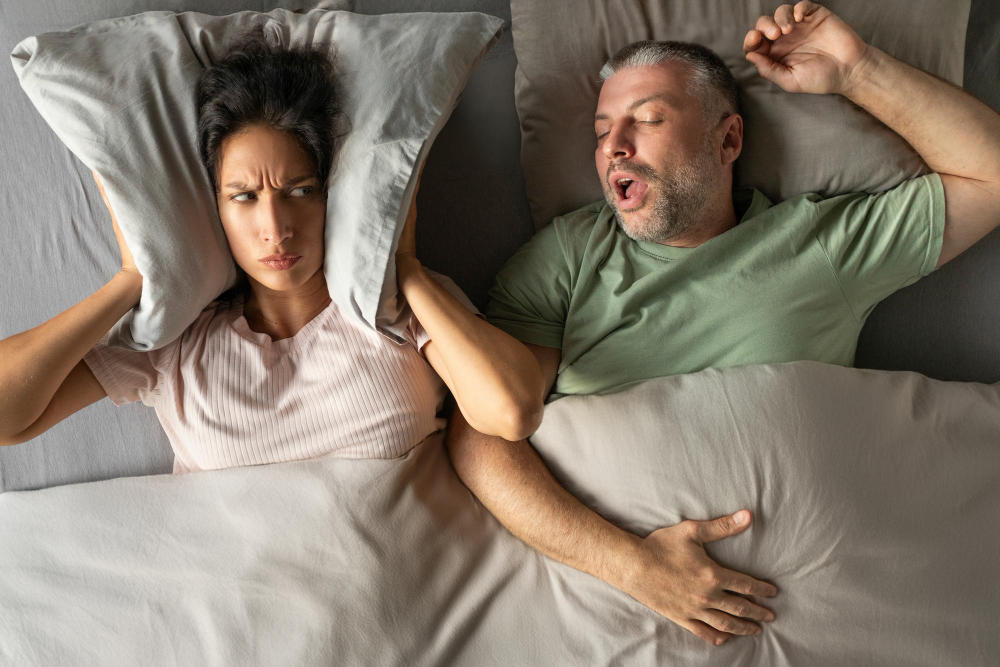
Sleep apnea is a common sleep disorder. It causes your breathing to stop and start during sleep. Many people do not know they have it. However, sleep apnea can lead to serious health problems if left untreated. According to the CDC, millions of adults in the United States have sleep apnea. Often, loud snoring is one of the first signs of sleep apnea. But not all snoring means you have this condition. Still, it is important to know the difference.
Why Snoring Matters: Warning Signs
Snoring is often harmless. Yet, it can also be a warning sign of sleep apnea. When you snore loudly and often, your airway may be blocked. This can lower the oxygen in your blood. Over time, this puts stress on your heart and body. Therefore, you should watch for these signs of sleep apnea:
For example, if you wake up tired every day, it may be more than just poor sleep. In fact, untreated sleep apnea can raise your risk of high blood pressure, heart disease, and stroke.
Common Causes of Sleep Apnea
There are several reasons why someone may develop sleep apnea. Most often, the airway becomes blocked during sleep. This is called obstructive sleep apnea. Some common causes include:
Sometimes, sleep apnea can also be caused by the brain not sending the right signals to the muscles that control breathing. This is called central sleep apnea. However, it is less common.
How Sleep Apnea Is Diagnosed
If you think you may have sleep apnea, it is important to talk to your doctor. Usually, your doctor will ask about your sleep habits and symptoms. Next, you may need a sleep study. This test can be done at a sleep center or sometimes at home. During the study, sensors track your breathing, heart rate, and oxygen levels while you sleep. As a result, your doctor can see if you stop breathing or have other signs of sleep apnea. Early diagnosis can help prevent serious health risks.
Treatment Options for Sleep Apnea
Treatment for sleep apnea depends on how severe it is. For mild cases, simple changes may help. For more serious cases, medical devices or surgery may be needed. Common treatments include:
With the right treatment, most people feel better and lower their health risks. The CDC and WHO both recommend early treatment for sleep apnea to prevent complications.
Lifestyle Tips and Prevention
There are steps you can take to lower your risk of sleep apnea. Even small changes can make a big difference. For example, you can:
Additionally, keeping a regular sleep schedule can help you feel more rested. If you notice any signs of sleep apnea, take action early.
When to See a Doctor
If you or a loved one snores loudly and often, it is time to talk to a doctor. Especially if you notice pauses in breathing, choking, or daytime sleepiness, do not ignore these signs. Early help can prevent serious health problems. Your doctor can guide you to the right tests and treatments. Remember, sleep apnea is treatable, and you do not have to live with poor sleep.
If you or a loved one snores regularly, consult Dr. Rohith Reddy Pathuri for personalized advice.