
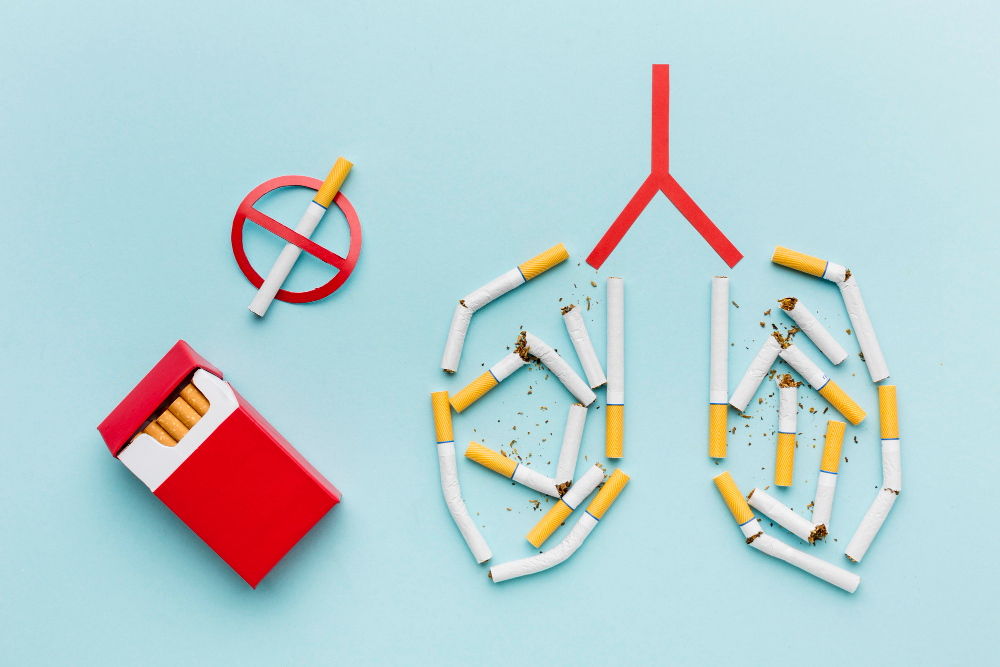
Introduction to Smoking and Lung Health
Smoking and lung health are closely linked. When you smoke, harmful chemicals enter your lungs. Over time, these chemicals can cause lasting damage. Many people do not notice the effects right away. However, the long-term effects of smoking on lungs can be serious. Even after quitting, your lungs may need time to heal. According to the CDC, smoking is a leading cause of preventable lung disease. For this reason, it is important to understand how smoking affects your lungs and what you can do to protect them.
Common Symptoms and Early Warning Signs of Lung Damage from Smoking
Often, early signs of lung damage from smoking are easy to miss. Still, paying attention to your body can help you spot problems early. For example, you may notice:
Additionally, you might feel more tired than usual. If you notice any of these signs, it is wise to talk to your doctor.
Major Causes and Risk Factors Associated with Long-Term Smoking
Long-term smoking is the main cause of many lung problems. But, other risk factors can make things worse. For instance, starting to smoke at a young age increases your risk. Also, the number of cigarettes you smoke each day matters. The longer you smoke, the higher your risk for lung disease. Living or working in places with secondhand smoke can also harm your lungs. Genetics may play a role as well. Some people are more likely to get lung diseases, even if they smoke less.
How Smoking Affects Lung Function Over Time
Over time, smoking damages the tiny air sacs in your lungs. These air sacs help you breathe in oxygen and breathe out carbon dioxide. As a result, your lungs become less able to do their job. For example, you may find it harder to exercise or climb stairs. Smoking also causes swelling and mucus buildup in your airways. This can lead to chronic bronchitis and other smoking-related lung diseases. According to the WHO, smoking is the main cause of chronic obstructive pulmonary disease (COPD) and lung cancer.
Diagnosis: How Doctors Detect Smoking-Related Lung Problems
Doctors use several tools to check for lung problems caused by smoking. First, they may ask about your symptoms and smoking history. Next, they often use a test called spirometry. This test measures how well you can breathe in and out. In addition, chest X-rays or CT scans can show damage or growths in the lungs. Sometimes, doctors order blood tests to check oxygen levels. Early diagnosis can help you get the right treatment sooner.
Evidence-Based Treatment Options for Smoking-Related Lung Conditions
Treatment depends on the type and stage of lung disease. However, quitting smoking is always the most important step. After quitting, your lungs can start to heal. Doctors may also prescribe medicines to open your airways or reduce swelling. For example, inhalers and steroids can help you breathe better. In some cases, oxygen therapy is needed. For people with lung cancer, surgery, chemotherapy, or radiation may be options. The CDC recommends regular checkups to monitor your lung health.
Lifestyle Changes and Practical Tips to Support Lung Health After Quitting Smoking
After quitting, you can take steps to improve your lung health. For example:
Moreover, getting a flu shot each year can help protect your lungs from infections. If you live in a city with high air pollution, try to stay indoors on bad air days. These steps can help you learn how to improve lung health after quitting smoking.
Prevention: Strategies to Avoid Smoking and Protect Lung Health
Preventing smoking is the best way to protect your lungs. For instance, you can:
By making healthy choices, you can lower your risk of smoking-related lung diseases. Consult Dr. Rohith Reddy Pathuri for personalised care.