Introduction
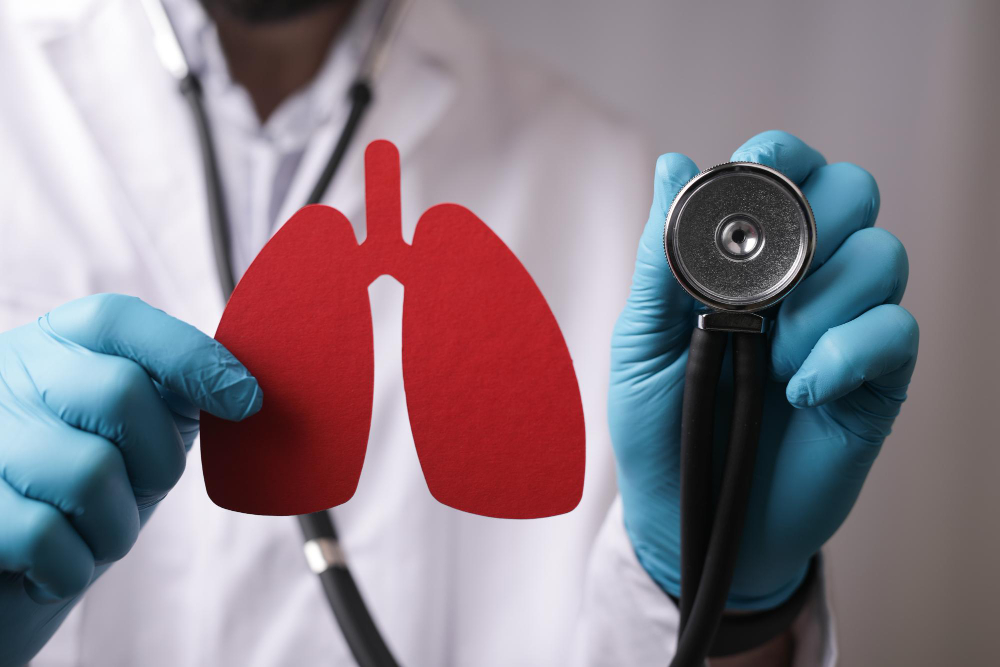
COPD stands for Chronic Obstructive Pulmonary Disease. It is a long-term lung condition that makes it hard to breathe. Many people do not know they have COPD until symptoms become serious. Because COPD is common and can affect daily life, understanding it is important. Early knowledge helps people seek help and manage their health better.
What is COPD?
COPD is a disease that blocks airflow in the lungs. This means air cannot move in and out easily. As a result, people with COPD often feel short of breath. The disease gets worse over time, but treatment can help manage symptoms. COPD includes two main problems: chronic bronchitis and emphysema. In chronic bronchitis, the airways are swollen and make extra mucus. In emphysema, the air sacs in the lungs are damaged. Both make breathing harder.
Symptoms of COPD
Recognizing COPD symptoms early can help you get treatment sooner. Common symptoms include:
Sometimes, symptoms get worse suddenly. This is called a flare-up or exacerbation. If you notice these signs, it is important to talk to a doctor.
Causes and Risk Factors
Most cases of COPD are caused by breathing in harmful substances. The main causes and risk factors are:
Because these risks add up, avoiding them can help protect your lungs.
How is COPD Diagnosed?
Doctors use several tests to diagnose COPD. Early diagnosis can lead to better management. Common methods include:
If you have symptoms, it is important to get checked. Early testing helps start treatment sooner.
Treatment Options for COPD
Although there is no cure for COPD, many treatments can help you feel better. Treatment options include:
Because each person is different, doctors create a plan that fits your needs. Following your treatment plan can help you stay active and feel better.
Living with COPD
With the right steps, people with COPD can lead active lives. Here are some tips for daily living:
Because flare-ups can happen, always have a plan for what to do if symptoms get worse. Let friends and family know how they can help you.
Prevention of COPD
Preventing COPD is possible in many cases. Here are some ways to lower your risk:
Because prevention is easier than treatment, taking these steps can protect your lungs for life.
Conclusion
COPD is a serious but manageable lung disease. Early diagnosis and the right treatment can help you live well. If you have symptoms or risk factors, do not wait. Consult Dr.Rohith Reddy Pathuri for personalized advice on COPD management.